Keeping your dog’s coat clean, soft, and healthy takes more than occasional trips to the groomer. Regular brushing, proper bathing, and a little attention at home can make a big difference in your pet’s overall appearance and comfort. These simple habits help remove loose hair, prevent tangles, and keep your dog’s skin in better condition between professional grooming appointments.
Chicago’s changing weather can also affect your dog’s coat. Cold winters, dry indoor heating, summer humidity, and outdoor activities can all contribute to dryness, shedding, and dirt buildup. Whether your dog has short, long, curly, or double-coated fur, following a consistent care routine can help maintain a healthy coat throughout the year.
Regular visits for Professional Dog Grooming in Chicago, IL help keep your pet’s coat clean, manageable, and comfortable throughout the year.
Brush Your Dog’s Coat Regularly
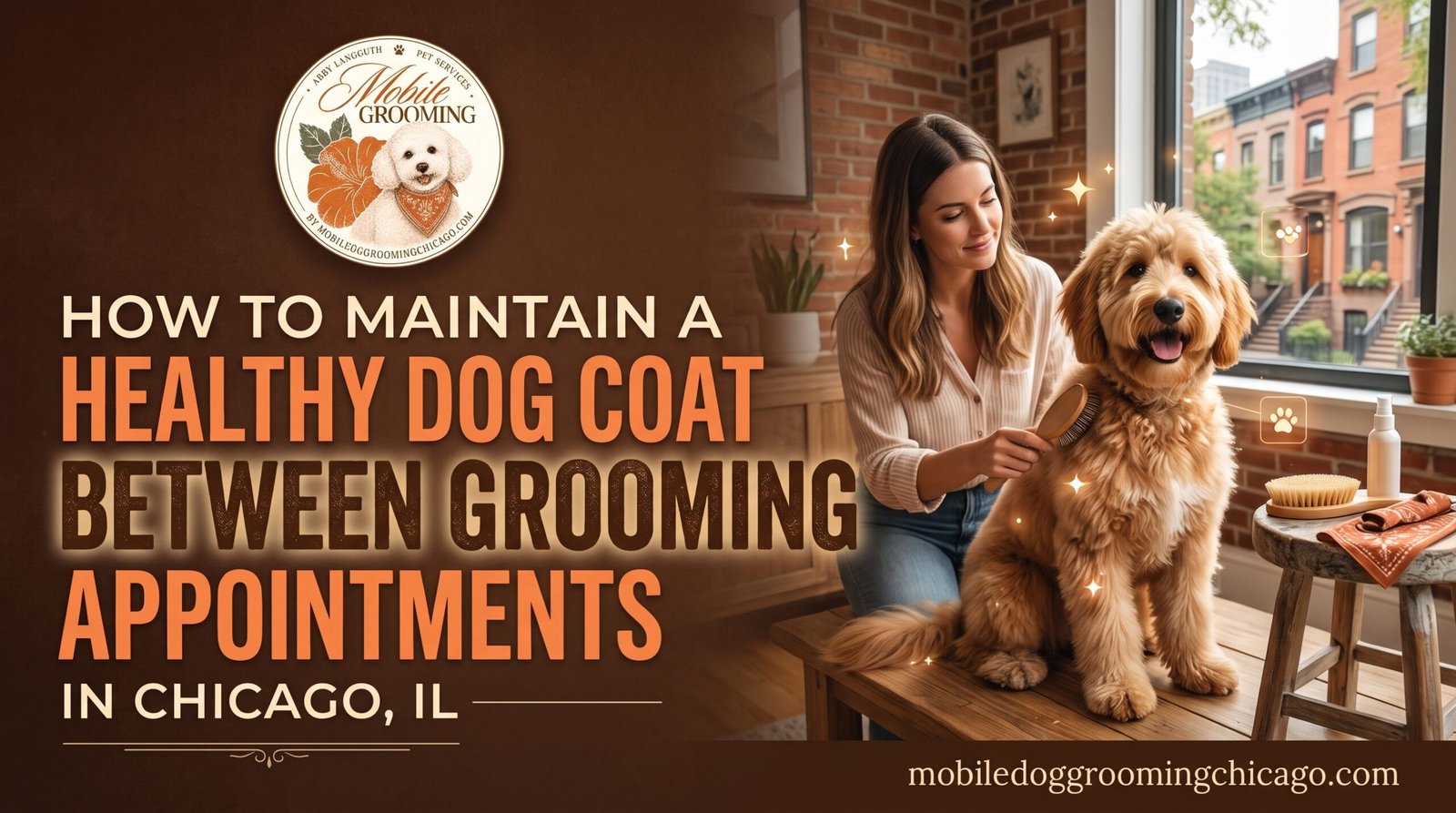
Brushing is one of the easiest ways to maintain your dog’s coat between grooming appointments. It removes loose hair, dirt, and small debris while helping prevent tangles and mats. Regular brushing also spreads natural oils throughout the coat, which can help keep the fur looking smooth and healthy.
How often you should brush depends on your dog’s coat type. Long-haired and curly-coated breeds may need daily brushing, while short-haired dogs may only need it a few times a week. Choose a brush that suits your dog’s coat and use gentle strokes, especially around sensitive areas such as the belly, legs, and behind the ears.
Use the Right Grooming Tools
Not every brush or comb works for every dog. Using the wrong grooming tool can make brushing uncomfortable or fail to remove loose hair effectively. A slicker brush may work well for some long or curly coats, while a soft-bristle brush or grooming mitt may be more suitable for short-haired dogs.
A metal comb can also help check for small tangles, particularly around the ears, tail, and legs. If you are unsure which tools are best for your pet, ask your professional groomer for recommendations. Using suitable tools makes home grooming easier and helps prevent unnecessary pulling or irritation.
Bathe Your Dog When Needed
Bathing helps remove dirt, odors, and buildup from your dog’s coat. However, bathing too frequently can strip away natural oils and leave the skin dry or irritated. The right bathing schedule depends on your dog’s breed, coat condition, skin needs, and daily activities.
Use a shampoo specifically formulated for dogs rather than human shampoo. Choose a gentle product that suits your pet’s coat and skin condition. Rinse thoroughly to remove all shampoo residue, as leftover product can cause itching. After bathing, dry your dog properly, paying attention to areas where moisture may collect, such as beneath the ears and between the legs.
For a deeper clean between home baths, professional Dog Bathing Services can help remove dirt, buildup, and unpleasant odors.
Keep Your Dog’s Coat Free From Mats and Tangles
Mats can form when loose hair becomes trapped and tangled, especially in long-haired and curly-coated dogs. They commonly develop behind the ears, under the legs, around the collar, and near the tail. If left untreated, tight mats can pull on the skin, cause discomfort, and make professional grooming more difficult.
Check your dog’s coat regularly and gently work through small tangles with an appropriate brush or comb. Avoid pulling hard because this can hurt your pet. If you find a tight mat close to the skin, let a professional groomer handle it. Trying to cut out mats with scissors can accidentally injure your dog.
Pay Attention to Your Dog’s Diet
A healthy coat starts with good overall nutrition. Your dog’s food should provide the nutrients needed to support healthy skin and hair growth. Protein, essential fatty acids, vitamins, and minerals all play a role in maintaining coat condition.
Choose a balanced dog food appropriate for your pet’s age, size, and activity level. Fresh water should also be available throughout the day. If your dog’s coat becomes unusually dull, dry, or brittle, discuss the change with your veterinarian before adding supplements. Dietary changes should be based on your dog’s individual needs.
Protect Your Dog’s Coat During Chicago’s Changing Weather
Chicago experiences a wide range of weather conditions throughout the year, and each season can affect your dog’s coat differently. Cold winter temperatures and indoor heating may contribute to dry skin, while summer heat and humidity can make some dogs uncomfortable. Rain, snow, road salt, and outdoor dirt can also collect on the fur.
After walks, check your dog’s paws, legs, and belly for dirt, moisture, and salt residue. Wipe these areas with a clean, damp cloth when needed and dry them gently. During colder months, consider a properly fitted dog coat if your pet needs extra protection outdoors. Adjust your grooming routine according to the season and your dog’s comfort.
Check Your Dog’s Skin While Brushing
Brushing gives you an opportunity to notice changes in your dog’s skin and coat. Look for redness, flakes, unusual bumps, bald patches, or signs of irritation. You should also watch for excessive scratching, licking, or chewing, as these behaviors may indicate discomfort.
Not every skin issue is caused by poor grooming. Allergies, parasites, infections, and other health concerns can affect your dog’s skin and coat. If you notice persistent irritation, hair loss, or unusual changes, contact your veterinarian. Early attention can help identify the cause before the problem becomes more serious.
Keep the Ears, Paws, and Sensitive Areas Clean
Coat maintenance is not limited to brushing the back and sides. Dirt and loose hair can collect around the ears, paws, and other areas that need regular attention. Checking these spots between grooming appointments helps keep your dog comfortable and makes it easier to notice potential problems.
After outdoor activities, inspect your dog’s paws for mud, small stones, and debris. Keep the hair around the paws neat if your groomer recommends it, but avoid cutting too close to the skin. Check the ears for unusual odors, redness, or discharge. Avoid putting cotton swabs or cleaning products deep inside the ear canal, and consult your veterinarian if you notice signs of irritation.
Avoid Overusing Grooming Products
It can be tempting to use sprays, conditioners, scented wipes, and other products to keep your dog smelling fresh. However, using too many products or choosing unsuitable formulas may irritate sensitive skin. Strong fragrances and products not designed for pets can also cause discomfort.
Keep your home grooming routine simple. Use dog-safe products only when needed and follow the instructions on the label. If your dog has sensitive skin or a history of allergies, ask your veterinarian or groomer before trying a new product. A clean coat and regular brushing are often more useful than adding several products to your routine.
Keep a Consistent Grooming Schedule
Home grooming is important, but it does not replace professional grooming. Regular appointments help manage coat length, remove difficult tangles, trim nails, and address areas that may be hard to maintain at home. The ideal schedule depends on your dog’s breed, coat type, lifestyle, and grooming needs.
Some dogs need appointments every few weeks, while others can go longer between visits. Ask your groomer to recommend a schedule based on your pet’s coat. Keeping appointments consistent can prevent excessive matting and make each grooming session more comfortable for your dog.
Why Regular Professional Grooming Matters
Even with good home care, dogs benefit from professional grooming. Groomers have the experience and tools needed to manage different coat types, remove stubborn tangles, and keep your pet looking neat. They can also point out changes in the coat that may need attention from a veterinarian.
Professional grooming can be especially helpful for dogs with long, curly, or thick coats that require more maintenance. Between appointments, brushing, occasional bathing, and regular coat checks help maintain the results of each visit. Combining professional care with a simple home routine supports your dog’s comfort and appearance throughout the year.
Frequently Asked Questions
How often should I brush my dog between grooming appointments?
The frequency depends on your dog’s coat. Long-haired and curly-coated dogs often need daily brushing, while short-haired dogs may only need brushing a few times per week. Regular checks help you determine what works best for your pet.
Can I bathe my dog every week?
Weekly bathing is not necessary for every dog. Bathing too often can remove natural oils and contribute to dry skin. Follow a schedule based on your dog’s coat, skin condition, and lifestyle, and use dog-specific shampoo.
What should I do if my dog’s coat becomes matted?
Gently brush out small tangles if your dog is comfortable. Tight mats should be handled by a professional groomer because pulling or cutting them at home can hurt your pet.
Does Chicago’s winter weather affect my dog’s coat?
Cold outdoor temperatures, indoor heating, snow, and road salt can affect your dog’s skin and coat. Regular brushing, drying after walks, and checking the paws and belly can help manage seasonal buildup and dryness.
When should I take my dog to a professional groomer?
Schedule professional grooming based on your dog’s breed, coat type, and maintenance needs. If you notice severe matting, excessive shedding, or a coat that is difficult to manage at home, contact a professional groomer for guidance.
Keep Your Dog’s Coat Healthy Between Grooming Visits
Dog Coat Maintenance does not have to be complicated. Regular brushing, suitable bathing products, proper nutrition, and seasonal care can help keep your pet’s fur clean and comfortable between professional appointments. Paying attention to changes in the skin and coat also helps you recognize when your dog may need extra care.
If you want to keep your pet looking and feeling their best, make home grooming part of your regular routine and stay consistent with professional appointments. A little care between visits can make grooming easier and help your dog enjoy a healthier, more comfortable coat throughout the year.